EST. 2023
CASE STUDY // PCVR GAMEPLAY

Eiffel Ascent (2024)

SITUATION & TASK

Developed as a co-op project for a degree course. The challenge was to design and implement an intense, high-altitude PCVR climbing experience on the Eiffel Tower, inspired by a mission from Assassin's Creed Unity (ubisoft, 2014), combining physics-based interaction, dynamic AI navigation, and strict optimization pipelines to maintain a flawless high-framerate tethered VR experience.

ROLE & SYSTEM

Technical Artist & Co-Developer (Team of 2). Co-engineered the physics-driven climbing mechanics. Responsible for the practical implementation of the level design layout, building the visual asset and texturing pipeline, configuring spatial systems like AI NavMesh, and executing runtime PCVR optimization.

TECH STACK

Unity, C# Scripting, PCVR Deployment, VR Interaction Framework (VRIF), Unity AI NavMesh, Photoshop (Alpha Maps / Albedo texturing), Baked Lighting pipelines, Static/Dynamic Batching, VR Sockets.

PROJECT INFO

Duration: 1 Academic Semester.

Context: New digital platform formats.

Try it yourself:Link for Download


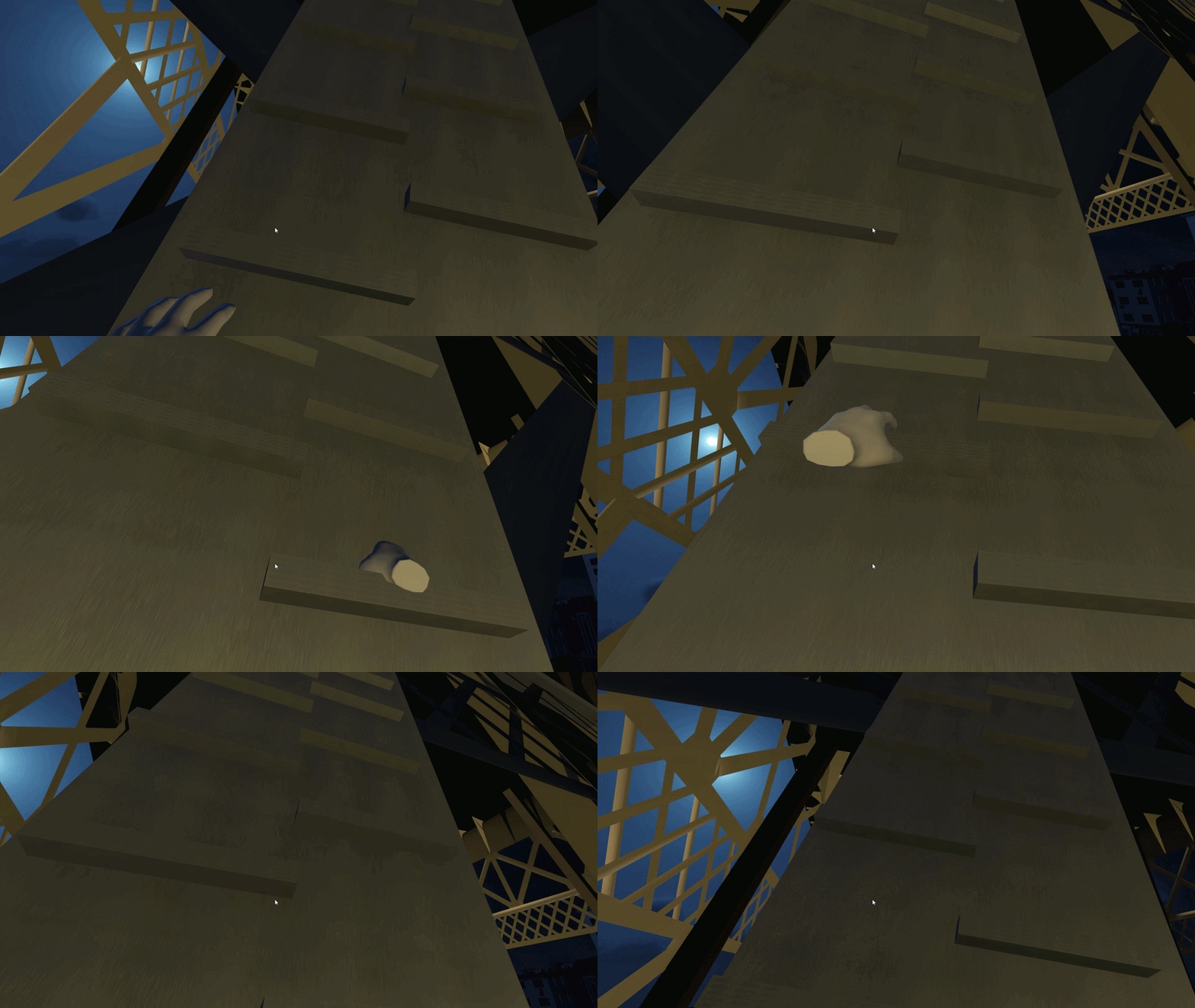
VR Climbing Physics Mechanism

Physics-Based Mechanics & Systems

Co-developed the core physics climbing locomotion. Personally implemented Unity's VR Socket systems for seamless object snapping and interaction. Additionally helped integrated AI NavMesh architecture to manage dynamic environmental systems aligned with the co-developer's level design structure.
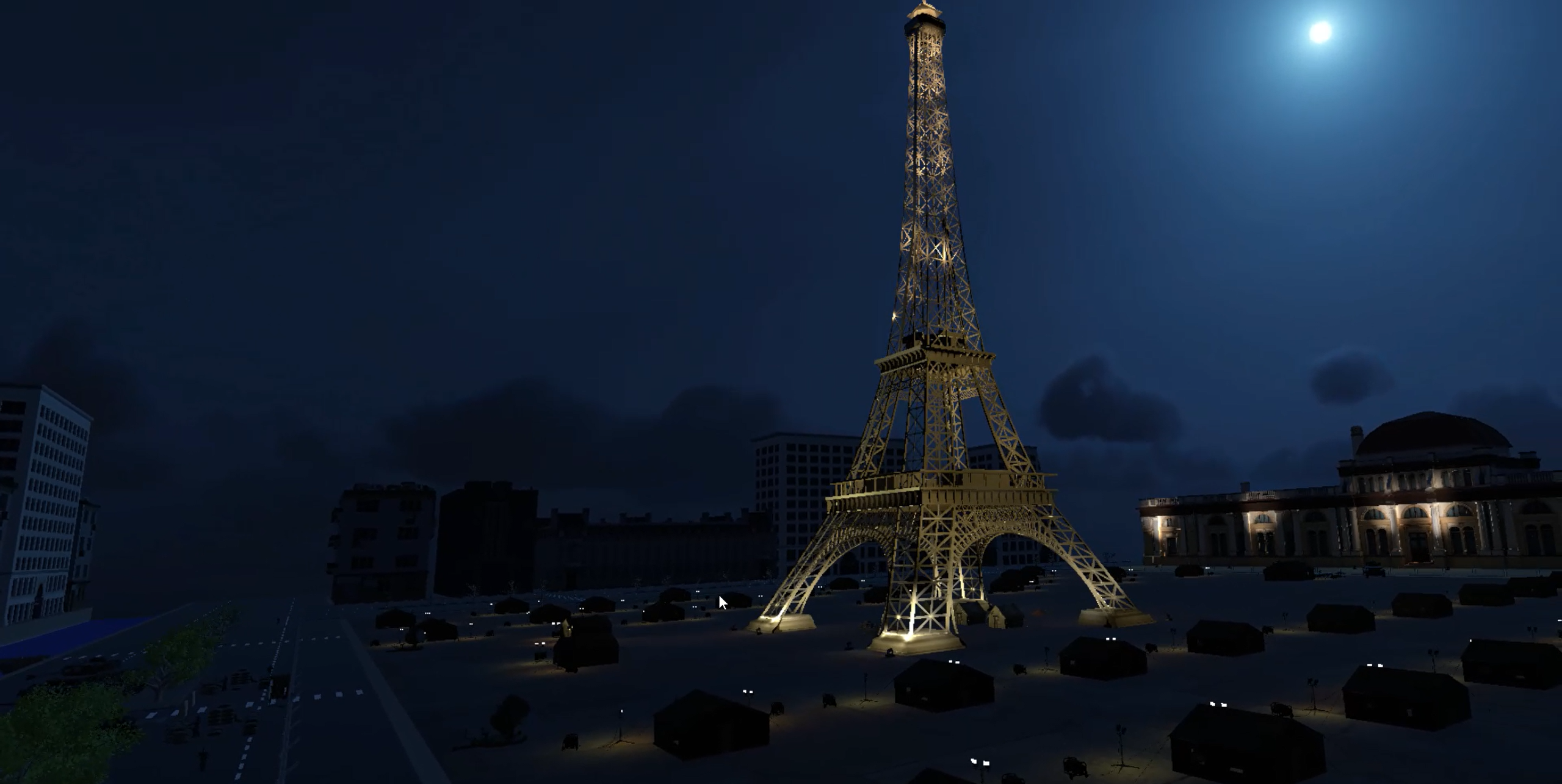
PCVR Environment & Lighting Optimization

Tech Art Pipeline & Optimization

Designed a performant visual pipeline tailored for high-fidelity PCVR rendering across expansive environments. Utilized Photoshop to embed precise Alpha texture maps into the Albedo channels for modeles like the haystack. In order to maintain high framerate across the entire complex campsite we baked advanced global illumination and leveraged Unity's batching tools to drastically minimize draw calls.